What Causes Low Back Pain?
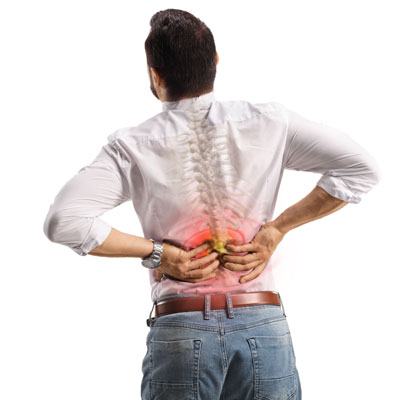
Understanding what causes low back pain is the first step toward finding real, lasting relief – not just temporary fixes that mask the problem.
At HAVEN Chiropractic Posture & Scoliosis, we see patients every day who’ve been searching for answers about their back pain. The truth is, your lower back pain usually has a story to tell, and figuring out that story makes all the difference in your healing journey.
Understanding Low Back Pain
What Exactly Is Low Back Pain?
Low back pain refers to discomfort, stiffness, or pain felt anywhere between your rib cage and the top of your legs. It’s your body’s alarm system telling you something needs attention.
The lumbar region – those five vertebrae in your lower back – carries the weight of your entire upper body. When something goes wrong there, you’ll definitely know it.
- Acute low back pain appears suddenly and typically lasts a few days to a few weeks. Think of it like a sprained ankle – painful, but usually temporary.
- Chronic low back pain sticks around for 12 weeks or longer, even after the initial injury has healed. This is when your body’s pain signals have essentially gotten stuck in the “on” position.
The distinction matters because treatment approaches differ significantly between the two types.
How Back Pain Disrupts Daily Life
Low back pain doesn’t just hurt – it interferes with everything:
- Work performance: Sitting at a desk or standing for long periods becomes unbearable
- Physical activity: Playing with your kids or exercising feels impossible
- Sleep quality: Finding a comfortable position becomes a nightly struggle
- Emotional wellbeing: Chronic pain drains your energy and affects your mood
The ripple effects touch every corner of your life.
Main Causes of Low Back Pain
Musculoskeletal & Postural Causes
- Muscle or Ligament Strain
This is the most common culprit behind low back pain causes. Lifting that heavy box incorrectly, sudden awkward movements, or even sneezing the wrong way can strain the muscles and ligaments supporting your spine.
Your muscles are like rubber bands – they can only stretch so far before something gives. When overstretched or torn, they trigger inflammation and pain.
- Poor Posture and Spinal Misalignment
Here’s where things get interesting. Your spine has natural curves designed to distribute weight evenly. When these curves become altered through poor posture, your body compensates in ways that create pain.
- Sedentary Lifestyle & Weak Core Muscles
Your core muscles are like your spine’s personal support crew. When they’re weak, your lower back picks up the slack – literally. Hours spent slouched over computers or phones only make matters worse.
Studies by Amorim et al. (2018) in the European Spine Journal found that core stability exercises significantly reduce chronic low back pain intensity.
- Overuse or Improper Lifting
Whether you’re a weekend warrior overdoing it at the gym or someone whose job involves repetitive bending and lifting, overuse creates cumulative stress on your lower back structures.
Spinal and Disc Conditions
- Herniated or Bulging Discs
Think of your spinal discs as jelly-filled cushions between your vertebrae. When the outer layer weakens or tears, the inner gel can push out (herniate) and press on nearby nerves.
This often causes lower back pain symptoms that radiate down your leg – commonly known as sciatica.
- Degenerative Disc Disease
Despite its scary name, this is essentially the normal wear and tear that happens as we age. Discs lose water content and height over time, reducing their cushioning ability.
While it’s part of aging, the speed and severity of degeneration can be influenced by posture, lifestyle, and spinal alignment.
- Spinal Stenosis
This condition involves narrowing of the spaces within your spine, putting pressure on nerves. It typically develops gradually and is more common in adults over 50.
- Abnormal Spinal Curves
Conditions like scoliosis, hyperlordosis (excessive inward curve), and kyphosis (excessive outward curve) alter how forces distribute through your spine, creating pain points and accelerating degeneration.
Joint, Bone & Inflammatory Conditions
- Osteoarthritis and Spondylosis
The cartilage that cushions your spinal joints can wear down over time, leading to bone-on-bone friction. This creates stiffness, especially in the morning, and often worsens with activity.
- Sacroiliac Joint Dysfunction
The SI joints connect your pelvis to your spine. When these joints become too stiff or too loose, you’ll feel pain in your lower back and buttocks that can mimic other conditions.
- Ankylosing Spondylitis
This inflammatory arthritis primarily affects the spine, causing vertebrae to fuse over time. It typically starts in young adulthood and causes persistent stiffness.
- Osteoporosis & Vertebral Fractures
When bones become brittle and porous, even minor stress can cause compression fractures in the vertebrae. These are particularly common in postmenopausal women.
Neurological & Systemic Causes
- Nerve Compression
Sciatica is the most recognizable form – when the sciatic nerve gets pinched, it sends shooting pain down your leg. Nerve root impingement can occur at various levels, each creating distinct pain patterns.
- Fibromyalgia & Chronic Pain Syndromes
These conditions involve widespread pain and heightened pain sensitivity throughout the body, including the lower back. The nervous system essentially amplifies pain signals.
- Kidney Problems
Sometimes what causes lower back pain on the right side or left side isn’t spinal at all – kidney stones or infections can create intense lower back pain that feels different from musculoskeletal issues.
- Gynecological Causes in Women
Understanding what causes lower back pain in females often requires considering reproductive health. Endometriosis, fibroids, pregnancy and menstrual cycles can all contribute to lower back discomfort.
During pregnancy especially, the shifting center of gravity and hormonal changes that loosen ligaments create significant lower back strain.
Risk Factors & Triggers
Certain factors make you more vulnerable to developing low back pain:
- Physical Risk Factors:
- Age (most common between 30-50)
- Excess body weight putting stress on spine
- Smoking (reduces blood flow to spinal discs)
- Pregnancy and postpartum changes
- Occupational Strain:
- Prolonged sitting (desk workers, drivers)
- Heavy physical labor requiring lifting
- Jobs involving repetitive bending or twisting
- What causes lower back pain when standing too long – lack of movement and poor posture
- Psychological Factors:
- Chronic stress and anxiety
- Depression (bidirectional relationship with pain)
- Poor sleep quality
- Job dissatisfaction
The mind-body connection in back pain is real and powerful.
Treatment Options for Low Back Pain
1. Physical Therapy and Core Strengthening
A good physical therapy program strengthens the muscles that support your spine, improves flexibility, and teaches proper movement patterns.
Core strengthening is crucial – a strong core takes pressure off your lower back structures.
2. Chiropractic BioPhysics®: Posture Correction & Long-Term Spinal Health
Here’s where we get excited. As a chiropractor in Asheville specializing in CBP, we don’t just crack your back and send you on your way. We’re focused on correcting the underlying structural problems causing your pain.
CBP uses precise x-ray analysis to identify postural distortions, then implements customized mirror-image exercises, traction, and adjustments to restore ideal spinal alignment. This approach addresses root causes, preventing future problems rather than just managing current symptoms.
Research consistently shows that improving spinal alignment reduces pain and improves function long-term.
3. Massage Therapy & Stretching Techniques
Therapeutic massage releases tension in tight muscles, improves circulation, and promotes healing. Combined with proper stretching routines, it’s a powerful complement to spinal care.
Key Takeaways
Understanding what causes low back pain empowers you to take control of your spine health. From simple muscle strains to complex spinal conditions, each cause has its own treatment approach.
The key insights to remember:
- Low back pain has numerous causes – proper diagnosis prevents wasted time on wrong treatments
- Duration matters – acute and chronic pain require different approaches
- Root causes beat symptom management – addressing underlying structural problems prevents recurrence
- Prevention is powerful – small daily habits compound into major long-term benefits
- Early intervention matters – don’t wait until pain becomes unbearable
At HAVEN Chiropractic Posture & Scoliosis, we specialize in finding and fixing the root causes of your back pain through Chiropractic BioPhysics®. We’re not interested in just getting you through the day – we want you thriving for years to come.
Ready to discover what’s really causing your low back pain? Contact us today to schedule your comprehensive evaluation with Dr. Alaina Gelineau. Let’s write a new chapter in your spine health story – one without pain holding you back.
FAQs
Why does my back hurt when I wake up in the morning?
Morning stiffness usually indicates inflammation or poor sleeping posture. Your mattress quality, pillow support, and sleeping position all matter. The good news? This often improves with proper spinal alignment.
Can sitting too much cause back pain?
Absolutely. Prolonged sitting increases disc pressure by 40% compared to standing, weakens core muscles, and promotes poor posture – a perfect storm for low back pain causes.
What causes sudden sharp pain in the lower back?
Sudden sharp pain typically signals an acute injury like a muscle strain, ligament sprain, or disc herniation. It can happen from lifting, twisting, or sometimes even coughing or sneezing if underlying weakness exists.
Is lower back pain more common in women?
Yes, women are slightly more prone due to factors like pregnancy, menstruation, hormonal changes affecting ligament laxity, and higher rates of conditions like osteoporosis.
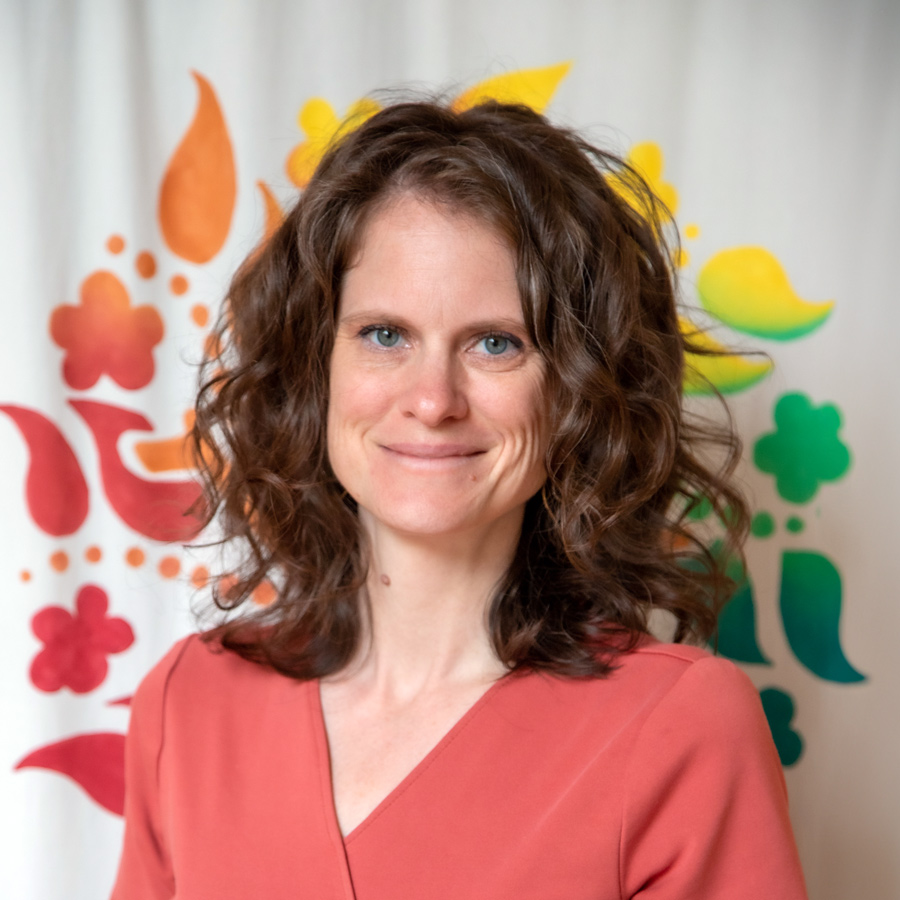
Dr. Alaina Gelineau has 12 years of experience in chiropractic care. She is a specialized chiropractor, certified in Chiropractic BioPhysics, focusing on posture correction and scoliosis care in Asheville, North Carolina.