Uneven Hips, One Shoulder Higher, or A Crooked Feeling: What It Can Mean
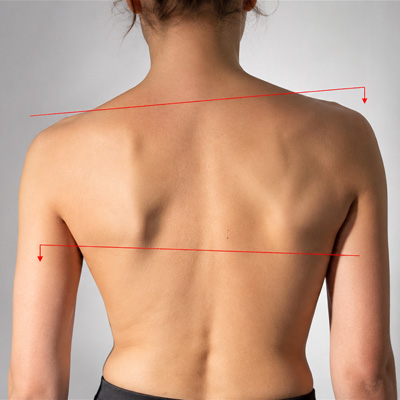
Have you noticed that your hips look uneven, one shoulder sits higher than the other, or your body just feels crooked? These changes are easy to brush off, but they often point to something worth checking. Uneven hips, one shoulder higher, or a crooked feeling can be early signs of scoliosis, a sideways curve in the spine. In this guide, we explain what these signs can mean, how scoliosis causes uneven hips and shoulders, and the treatment options that can help.
What Does It Mean When Your Body Feels Crooked?
A crooked feeling often happens when the body is no longer balanced from side to side. You may notice:
- One shoulder appears higher than the other.
- One hip seems elevated.
- Clothes hang unevenly.
- Your head appears shifted to one side.
- Standing straight feels difficult.
- You feel tilted when looking in a mirror.
These changes may develop gradually. Some people adapt to them and do not notice them until a friend, family member, or healthcare professional points them out.
While not every case indicates a serious condition, postural changes like uneven hips and shoulders should not be ignored.
How Scoliosis Causes Uneven Hips and Shoulders
When the spine bends to one side, it changes how your whole frame lines up. The sideways pull reaches the pelvis, which can cause one hip to sit higher than the other. This is why uneven hips are one of the telltale signs of scoliosis. The same bend can lift one shoulder, leading to uneven shoulders as well. Doctors describe this as uneven forces to the body. Over time, these uneven forces can affect your balance, your comfort, and even how your clothes fit.
Telltale Signs of Scoliosis to Watch For
Scoliosis often shows up in the way the body looks and lines up. Watch for these common signs:
- Uneven hips. One hip may sit higher, or look more pronounced, than the other.
- One shoulder higher. The shoulders may look uneven, with one side raised.
- A shoulder blade that sticks out. One shoulder blade may appear more prominent than the other.
- An uneven waist. The waistline may look lopsided or tilted to one side.
- A crooked or leaning look. The whole body may seem to lean slightly to one side.
If you notice several of these signs, it is worth having your spine checked.
Other Reasons for Uneven Hips
Scoliosis is a common cause, but it is not the only one. Uneven hips can also come from a leg length difference, where one leg is slightly longer. Tight or weak muscles on one side, posture habits like always leaning on one hip, and changes during pregnancy can all play a part. Because these causes can look similar, the only way to know for sure is a proper exam. Even when scoliosis is not the cause, uneven hips are worth checking, since they can lead to discomfort and strain over time. A trained chiropractor can tell whether scoliosis or something else is behind your uneven hips.
How Scoliosis is Diagnosed
Finding the cause starts with a careful look at how your body lines up. A common screening is the forward bend test, where you bend forward at the waist so the doctor can see if your spine or ribs are uneven. If scoliosis is suspected, an X-ray is used to measure the size of the curve. This measurement guides the right treatment approach for your body.
Why It Helps to Act Early
With scoliosis, time matters. A small sideways bend in the spine can stay stable, but it can also grow, especially during a child’s growth years. Acting early gives the body the best chance to respond to gentle, conservative care. Proactive treatment can help support the spine, ease everyday strain, and keep the body in better balance before bigger changes set in. Even for adults, starting care early often means more comfort and easier movement. The first step is simply getting checked, so you know exactly where you stand and what your options are.
Treatment Options for Scoliosis and Uneven Hips
The right care depends on the size of the spinal curve and your age. The good news is that many cases can be managed without surgery.
A conservative, chiropractic-centered treatment approach is often the first step. This can include corrective care that works to improve the alignment of the spine, along with scoliosis-specific exercises and custom-prescribed home exercises that help support and stabilize the spine. The goal is to reduce the uneven forces and, when possible, restore more even hips and shoulders.
For growing children with a moderate curve, scoliosis bracing can help guide the spine during important growth years. In severe cases, some people choose to undergo scoliosis surgery, though this is far less common. A scoliosis chiropractor can help you understand which path fits your needs.
Caring for Your Posture at Haven
If uneven hips or shoulders have you concerned, a professional can help you find answers. Dr. Alaina Gelineau, DC, is the only chiropractor in Asheville certified in Chiropractic BioPhysics, a method focused on correcting spinal alignment. She has extensive training in posture correction and scoliosis care, and a personal story that drives her passion for this work.
At Haven Chiropractic Posture and Scoliosis, the team offers corrective care, scoliosis-specific programs, and bracing for adolescents and adults. If something feels crooked or out of balance, a simple exam can show what is going on.
Final Thoughts
Experiencing uneven hips, one shoulder higher, or a crooked feeling does not automatically mean you have scoliosis. However, these changes should not be ignored.
Since scoliosis causes uneven hips in many cases, identifying the source of the problem early can help guide the most appropriate treatment approach.
At HAVEN Chiropractic Posture & Scoliosis in Asheville, Dr. Alaina Gelineau focuses on corrective chiropractic care, posture correction, scoliosis evaluation, and Chiropractic BioPhysics techniques designed to improve spinal alignment and overall function. Through detailed posture assessments and individualized treatment plans, patients can gain a better understanding of what may be contributing to their symptoms and what steps may help support long term spinal health.
Common Questions About Uneven Hips and Scoliosis
Can uneven hips be fixed?
Often they can be improved. When scoliosis is the cause, a chiropractic-centered plan with exercises can help restore more even hips over time.
Are uneven hips always a sign of scoliosis?
No. They can also come from a leg length difference, muscle imbalance, or posture habits. An exam is the only way to know for sure.
Is scoliosis always serious?
Not always. Many curves are mild and respond well to early, conservative care. Larger curves need closer attention.
Can chiropractic care help scoliosis?
Yes. A corrective, scoliosis-specific approach can help improve alignment, support the spine, and reduce uneven forces on the body.
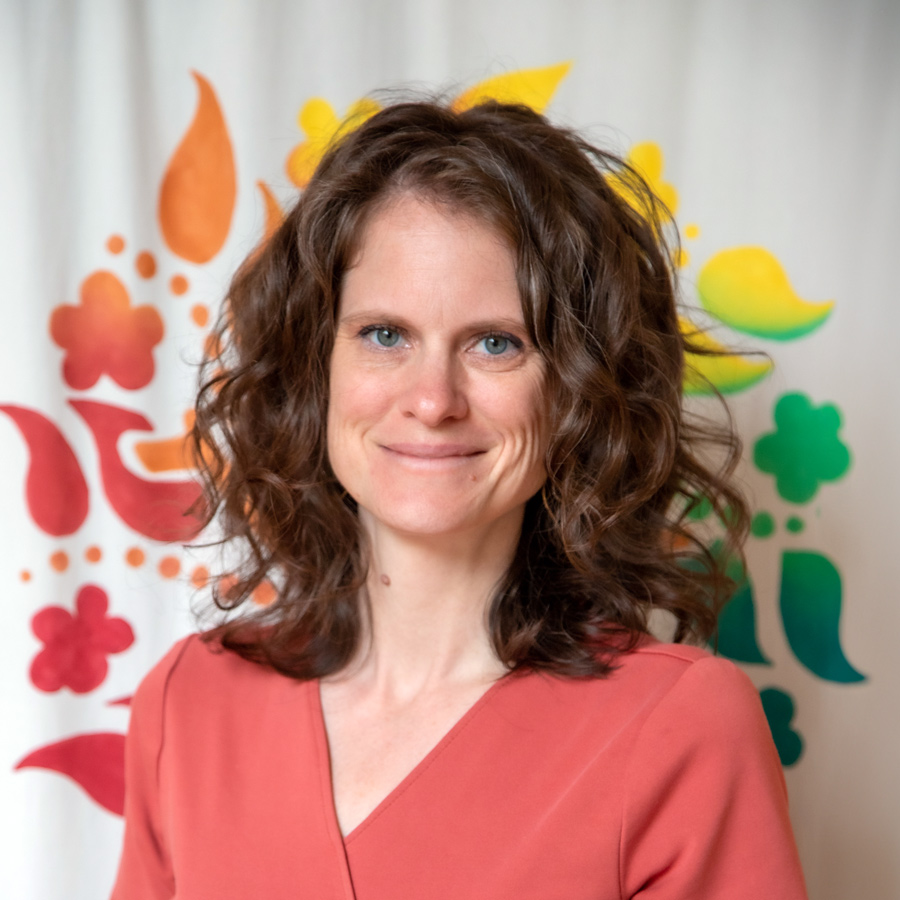
Dr. Alaina Gelineau has 12 years of experience in chiropractic care. She is a specialized chiropractor, certified in Chiropractic BioPhysics, focusing on posture correction and scoliosis care in Asheville, North Carolina.