Pinched Nerve vs. Muscle Strain: How to Tell the Difference
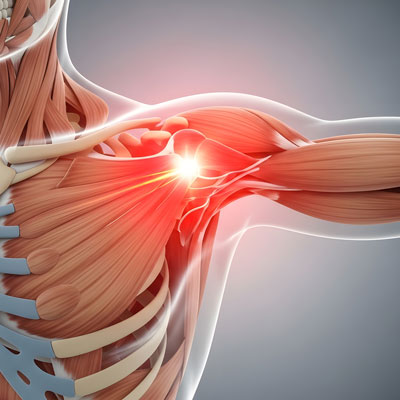
Pinched nerve vs. muscle strain can both cause neck or back pain, but they often feel different. Where the pain travels and whether you have numbness, tingling, or tenderness can provide useful clues.
At HAVEN Chiropractic Posture & Scoliosis in Asheville, NC, we evaluate posture, movement, and spinal alignment to better understand what may be contributing to recurring discomfort.
Pinched nerve vs. muscle strain at a glance
The simplest difference is this: a muscle strain usually causes more localized soreness and tenderness, while a pinched nerve is more likely to cause pain that travels with numbness, tingling, or weakness.
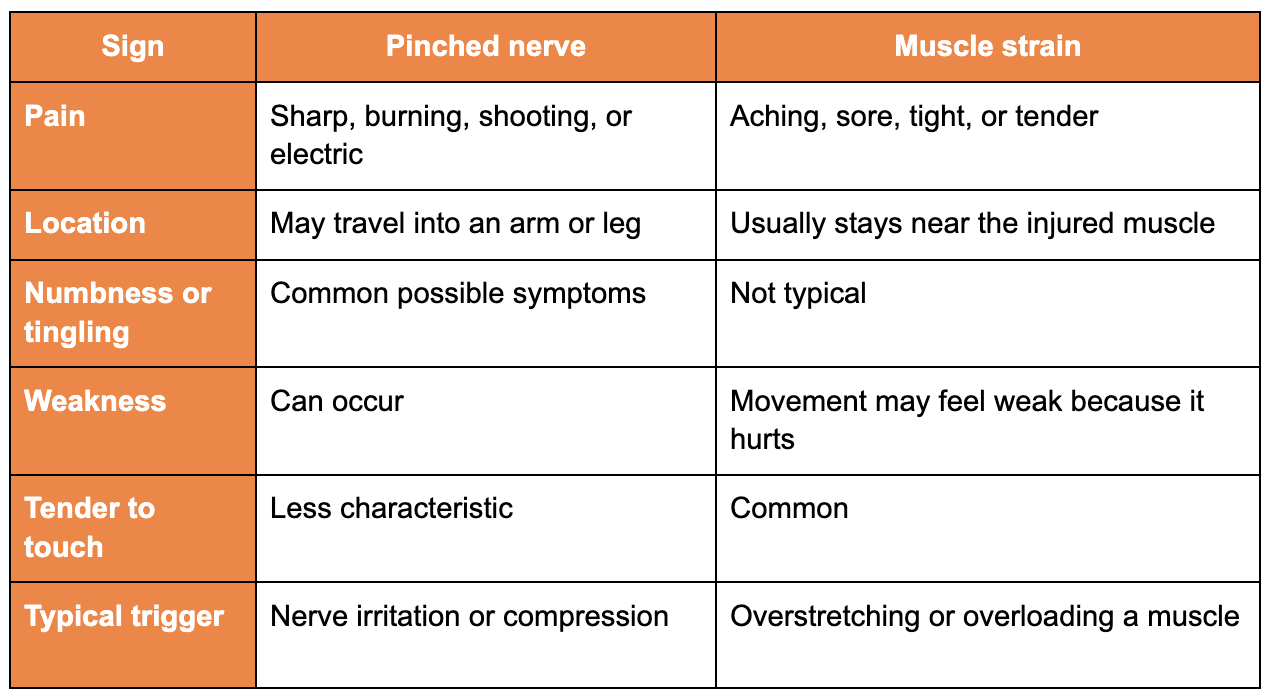
These are clues rather than a diagnosis. Symptoms can overlap, especially when neck or back pain involves several tissues at once.
What does a pinched nerve feel like?
A pinched nerve occurs when a nerve becomes irritated or compressed by surrounding tissue. In the spine, disc changes or narrowing around a nerve are possible causes.
Because nerves carry signals to other parts of the body, symptoms do not always stay where the problem begins.
You may notice:
- Burning, shooting, or electric pain
- Tingling or a pins and needles feeling
- Numbness
- Pain traveling into an arm or leg
- Weakness in the affected area
For example, irritation of a nerve in the lower back may cause symptoms in the buttock, leg, or foot rather than only causing back pain. This type of radiating leg pain can occur with sciatica.
What does a muscle strain feel like?
A muscle strain happens when muscle or tendon fibers are stretched too far or injured. It often follows lifting, exercise, sudden twisting, or repeated physical effort.
A strain is more likely to cause:
- Localized soreness or aching
- Tenderness when you touch the area
- Tightness or muscle spasms
- Pain when stretching or using the muscle
- Limited movement because the area hurts
Some strains may also cause swelling or bruising, especially after a more noticeable injury.
Unlike nerve irritation, an uncomplicated muscle strain does not usually cause numbness or tingling.
How can you tell nerve pain from muscle pain?
Instead of focusing on one symptom, look at the overall pattern.
Does the pain travel?
This is one of the most useful clues.
Nerve pain may travel. A problem in the neck can produce symptoms into the shoulder, arm, or hand. A problem in the lower back can cause symptoms in the buttock or leg.
Muscle pain is usually more localized. You can often identify a specific sore or tender area.
Do you have numbness or tingling?
Numbness, tingling, and pins and needles are sensory changes associated more closely with nerve involvement.
A muscle strain may hurt badly, but these sensations are not typical of a simple strain.
What makes the pain worse?
A strained muscle often hurts when you stretch it, contract it, or place load on it. The area may also be tender when pressed.
Nerve symptoms can change with certain neck, back, or limb positions. A movement may also cause pain or tingling to travel farther along an arm or leg.
No single home test can reliably confirm whether the problem is a muscle strain or pinched nerve. These patterns are better used as clues when deciding whether an evaluation is needed.
What causes a pinched nerve or muscle strain?
The two problems can start after similar activities, but the underlying causes are different.
A pinched nerve may be associated with:
- A herniated or bulging disc
- Narrowing around a spinal nerve
- Changes related to spinal arthritis
- Injury or inflammation around a nerve
A muscle strain may follow:
- Heavy or awkward lifting
- Sudden twisting
- Intense exercise
- Repetitive movement
- Doing more physical activity than your muscles are prepared for
How the pain started can help, but the trigger alone does not confirm which tissue is involved.
What can you do at home?
For mild pain without warning signs, start by reducing activities that clearly make symptoms worse. Complete bed rest is usually unnecessary for uncomplicated back pain. Gentle movement within a comfortable range may be easier than staying still for long periods.
For a recent muscle strain, ice may help with pain and swelling during the early stage. Heat may feel more comfortable when muscle tightness is the main problem.
Be more cautious when pain travels or comes with numbness or tingling. Do not repeatedly force a stretch or exercise that makes symptoms spread farther down your arm or leg.
Home care should also be adjusted if symptoms are getting worse rather than gradually improving.
When should you have the pain evaluated?
Consider an evaluation when symptoms persist, repeatedly return, or begin affecting sleep, work, exercise, or normal daily activities.
It is especially useful when you have:
- Pain traveling into an arm or leg
- Persistent numbness or tingling
- Increasing weakness
- Symptoms that continue to worsen
- Pain that is not improving as expected
An evaluation can look beyond where it hurts. At HAVEN, this may include your symptom pattern, posture, movement, and spinal alignment to help determine what may be contributing to the problem.
Seek prompt medical attention for new loss of bowel or bladder control, numbness around the groin or saddle area, severe or rapidly worsening weakness, or neurological symptoms following a significant neck or back injury.
Finding the source of your pain at HAVEN
Neck or back pain does not always reveal which tissue is causing the problem. That is why a proper evaluation matters, especially when symptoms keep returning or include pain, numbness, or tingling that travels into an arm or leg.
At HAVEN Chiropractic Posture & Scoliosis, we take a detailed approach to understanding your symptoms. We look at your health history, posture, spinal alignment, and movement patterns to identify factors that may be contributing to your pain. When appropriate, your findings help guide a personalized plan that may include corrective chiropractic care and spinal rehabilitation.
If your symptoms continue to affect your work, sleep, or daily activities, schedule an initial consultation to better understand what may be causing them and what steps may be appropriate.
Frequently asked questions
Can a pinched nerve feel like a pulled muscle?
Yes. Both can cause aching, stiffness, and pain with movement. Pain that travels along with numbness or tingling is more suggestive of nerve involvement, while localized soreness and tenderness are more typical of a muscle strain.
Can a muscle strain cause tingling or numbness?
Tingling and numbness are not typical symptoms of an uncomplicated muscle strain. Persistent sensory changes may indicate nerve involvement and should be evaluated if they continue or worsen.
How long does a pinched nerve or muscle strain take to heal?
There is no single recovery timeline. It depends on the cause, location, severity, activity level, and individual health factors. Worsening or persistent symptoms should be evaluated rather than judged by time alone.
Is heat or ice better for a pinched nerve vs. muscle strain?
Ice may provide temporary relief after a recent muscle strain, especially when swelling is present. Heat may help with muscle tightness. For nerve symptoms, either may provide comfort, but neither identifies or corrects the underlying cause.

Dr. Alaina Gelineau has 12 years of experience in chiropractic care. She is a specialized chiropractor, certified in Chiropractic BioPhysics, focusing on posture correction and scoliosis care in Asheville, North Carolina.