Pediatric Chiropractor in Asheville, NC: Is It Safe for Your Children?
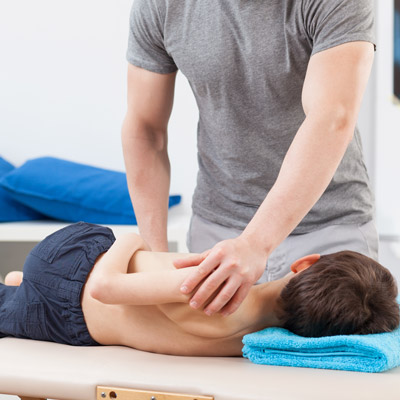
Your child is slouching at school. They’re spending hours hunched over tablets and phones. Maybe they’ve mentioned headaches or neck stiffness. You’re wondering: should they see a chiropractor? Is it even safe?
These questions are normal. Many parents share similar concerns about their child’s spinal health and posture development. This guide addresses what you need to know.
Is Pediatric Chiropractic Safe? Direct Answer
Yes – when performed by a trained pediatric chiropractor using age-appropriate techniques, chiropractic care can be safe for children.
However, important qualifications matter:
- Pediatric chiropractic requires specialized training beyond standard certification
- Techniques must be adapted to growing spines
- Evaluation should address a child’s specific needs
- Care should complement, not replace, pediatric medical care
Safety depends on provider expertise and approach. Not all chiropractors are equally trained in pediatric care.
Safety First: What Pediatric Chiropractic Is NOT
Understanding boundaries is crucial for parent peace of mind.
Pediatric chiropractic is NOT:
- A replacement for pediatric medical care
- A treatment for disease or medical conditions
- A guarantee of any specific outcome
- Appropriate for every child or situation
- A substitute for imaging or specialist evaluation when indicated
Pediatric chiropractic CAN:
- Support postural development
- Help address musculoskeletal discomfort
- Enhance spinal awareness
- Complement overall wellness
This distinction matters. Chiropractic supports spinal health and development – it doesn’t cure diseases or eliminate conditions.
Understanding Pediatric Chiropractic Care
Pediatric chiropractic differs significantly from adult care. It’s not just smaller adjustments on smaller bodies.
Key differences:
- Growing spines are different. Children’s spines are still developing, with growth plates and cartilaginous structures. Techniques must account for this developmental stage.
- Evaluation is more comprehensive. Assessment includes posture screening, movement patterns, developmental milestones, and lifestyle factors.
- Techniques are gentler. Rather than forceful manipulations, pediatric care uses lighter pressure, mobilization, and soft tissue techniques appropriate for developing systems.
- Education is central. Pediatric chiropractic emphasizes teaching children proper posture, ergonomics, and movement habits – skills lasting a lifetime.
Research published in the Journal of the Canadian Chiropractic Association supports that age-appropriate chiropractic care addresses musculoskeletal issues in children effectively and safely when performed by trained practitioners.
How Children’s Spines Develop
Understanding spinal development helps parents recognize why posture and alignment matter during childhood.
Early childhood (ages 5–8): Spines are primarily cartilage. Postural habits form. Good posture training becomes foundational.
Middle childhood (ages 9–12): Ossification (bone formation) accelerates. Spinal curves establish. Poor habits become entrenched. School posture becomes critical.
Adolescence (ages 13–17): Growth spurts create rapid changes. Scoliosis risk increases during rapid growth periods. Postural awareness prevents long-term issues.
Poor posture adopted early becomes the “normal” your child’s spine grows into. Early intervention can prevent years of compensatory problems.
Common Parent Concerns
“My child slouches constantly. Is this normal?”
Some slouching is normal childhood behavior. But persistent, significant forward head posture or rounding isn’t just cosmetic – it affects spinal development and can create discomfort over time.
“Should I be worried about screen posture?”
Modern children spend unprecedented hours on screens. Tablets, phones, and laptops force forward head posture. Extended screen time without postural awareness can contribute to muscle tension and developmental patterns worth addressing.
“My child gets headaches. Could spinal issues cause this?”
Tension-type headaches related to neck tension and posture are increasingly common in school-age children. While multiple causes exist, spinal and postural factors may contribute.
“What about sports injuries or repetitive strain?”
Active children experience musculoskeletal stress. Young athletes training intensively can develop overuse patterns. Early assessment and movement education prevent long-term issues.
Signs Your Child May Benefit From Pediatric Chiropractic
Consider evaluation if your child experiences:
- Persistent slouching or forward head posture
- Frequent headaches or neck pain
- Complaints of back or neck discomfort
- Muscle tension or stiffness
- Postural asymmetry (one shoulder higher)
- Limited range of motion
- Sports-related musculoskeletal complaints
- Heavy backpack strain symptoms
Also consider evaluation for:
- Early scoliosis screening (especially during growth spurts)
- Posture assessment before postural issues become significant
- Movement pattern evaluation
- Ergonomic guidance for school/screen habits
None of these require urgent intervention. But professional assessment clarifies whether your child could benefit from supportive care.
Pediatric Chiropractor vs. Pediatrician: When to See Each
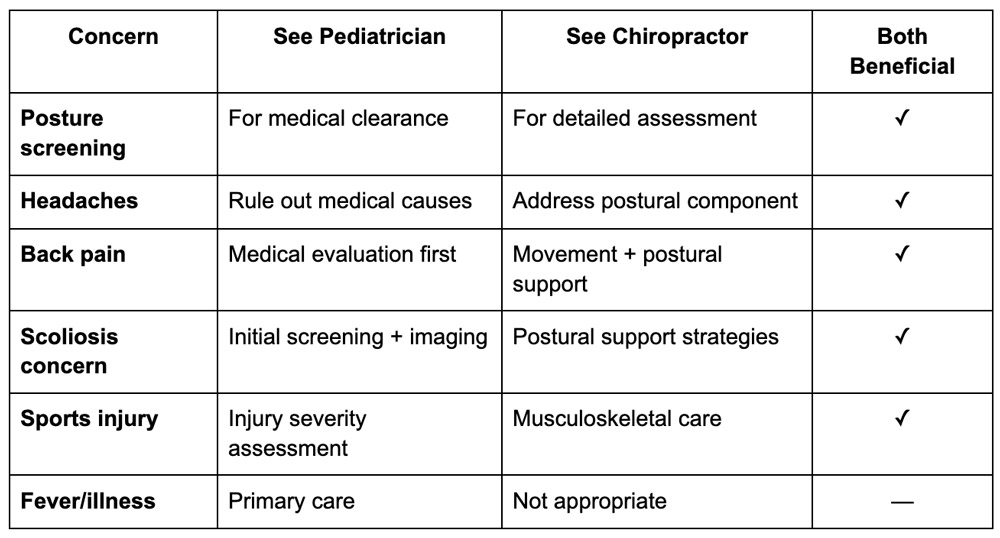
Best practice: Pediatrician first for medical clearance, then chiropractor for supportive musculoskeletal care.
The HAVEN Pediatric Chiropractic Process
At HAVEN Chiropractic Posture & Scoliosis, Dr. Alaina Gelineau approaches pediatric care with careful evaluation and parent involvement.
Initial evaluation includes:
- Detailed health history and parent concerns
- Posture screening and movement assessment
- Spinal development evaluation
- Lifestyle and ergonomic review
- Clear explanation of findings
Care approach focuses on:
- Age-appropriate, gentle techniques
- Postural education for children
- Ergonomic recommendations for school/screens
- Parent guidance on home habits
- Supportive care addressing musculoskeletal factors
Ongoing care emphasizes:
- Movement quality and awareness
- Healthy postural habits formation
- Periodic reassessment, especially during growth spurts
- Coordination with pediatric care as needed
The goal: support healthy spinal development through the critical childhood and adolescent years.
Ready for a Pediatric Posture Evaluation?
Pediatric chiropractic can support healthy spinal development when provided by a trained practitioner using age-appropriate techniques. It’s not a replacement for pediatric medical care, but rather a complementary approach addressing postural and musculoskeletal factors.
The question isn’t whether chiropractic is safe – it’s whether your child could benefit from postural assessment and developmental support during these critical growth years.
If you’re wondering whether your child’s posture, spinal development, or musculoskeletal concerns warrant professional assessment, HAVEN Chiropractic offers comprehensive pediatric evaluations.
Dr. Alaina Gelineau specializes in pediatric posture evaluation and scoliosis screening, using evidence-informed assessment to understand your child’s specific needs.
What to expect:
- Thorough postural and spinal assessment
- Clear explanation of findings in parent-friendly language
- Honest discussion of whether care is appropriate
- Recommendations tailored to your child
- Coordination with your pediatrician as needed
Schedule a pediatric evaluation at HAVEN Chiropractic Posture & Scoliosis. Call us now today to discuss your child’s specific concerns
Your child’s spinal health foundation is being built right now. We’re here to support that development.
Frequently Asked Questions
Are adjustments painful for children?
No. Pediatric adjustments use gentle pressure, not forceful manipulation. Most children tolerate care well, especially when explained clearly beforehand.
How often does a child need care?
Frequency depends on individual needs. Posture screening or initial concern might require periodic visits. Ongoing supportive care frequency varies. Dr. Gelineau determines appropriate frequency based on assessment.
Can chiropractic prevent scoliosis?
No. However, posture assessment can identify early concerns, and supportive care during growth periods may help. Scoliosis screening is important for all children, especially during rapid growth.
What if my child is hesitant?
Dr. Gelineau takes time explaining care in child-friendly language, allowing questions and concerns. Most children become comfortable quickly once they understand the process.
References:
- Coulter, I. D., et al. (2018). “Patients and Practitioners Views on Conditions Treated with Spinal Manipulation and Mobilization.” Journal of the Canadian Chiropractic Association, 62(3), 184–199.
- Skaggs, D. L., et al. (2007). “Back pain and muscle strength in adolescent idiopathic scoliosis.” Spine, 32(1), E111–E116.
- Briggs, A. M., et al. (2013). “Thoracic spine pain in the general population.” Chiropractic & Osteopathy, 21, 8.

Dr. Alaina Gelineau has 12 years of experience in chiropractic care. She is a specialized chiropractor, certified in Chiropractic BioPhysics, focusing on posture correction and scoliosis care in Asheville, North Carolina.