Forward Head Posture: How Neck Alignment Affects Headaches, Energy, and Focus
 If you deal with recurring headaches, neck tension, or that familiar “heavy head” feeling at the end of the day, you’re not alone. Many people blame stress, screen time, or poor sleep—and while those factors play a role, they’re rarely the full story.
What’s often overlooked is neck posture.
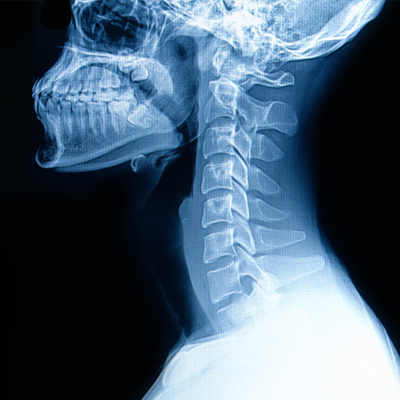
Specifically, forward head posture and loss of the natural cervical curve can place abnormal stress on the spine and nervous system. This helps explain why headaches, fatigue, brain fog, and neck pain often keep returning—even after massage, stretching, or treatments that provide short-term relief.
Pain is the alarm.
Posture explains the problem.
Can Forward Head Posture Really Cause Headaches and Neck Pain?
Yes—and not just because muscles feel tight.
Forward head posture occurs when the head drifts in front of the shoulders instead of stacking naturally over them. This shift changes how weight, tension, and neurological load are distributed through the cervical spine.
Common symptoms associated with forward head posture include:
- Tension or migraine headaches
- Chronic neck and upper back pain
- Shoulder tightness
- Fatigue and reduced mental focus
- Jaw tension and facial pain
These symptoms often fluctuate throughout the day, worsening with computer use, phone scrolling, or prolonged sitting. But the deeper issue isn’t just muscle tension—it’s what’s happening to the cervical curve underneath.
Why the Cervical Curve Matters More Than Most People Realize
The neck isn’t meant to be straight.
A healthy cervical spine has a gentle lordotic curve that allows the head’s weight to be distributed efficiently while protecting spinal joints, discs, and nerves.
When that curve flattens or reverses—often due to sustained forward head posture—several important changes occur:
- The head effectively becomes heavier to the spine
- Mechanical stress concentrates in fewer spinal segments
- Discs and joints absorb forces they weren’t designed to handle
- Neuromechanical stress increases along the spinal cord
Research in Chiropractic BioPhysics® (CBP®) has repeatedly shown that loss of cervical lordosis is associated with increased pain and disability, and that restoring the curve leads to more durable improvements.
Structure determines function—and it also determines where stress accumulates over time.
Why Abnormal Cervical Curves Are Linked to Chronic Neck Pain
Not all neck pain behaves the same way.
Research comparing acute, chronic, and asymptomatic populations shows that chronic neck pain is more likely to be associated with abnormal cervical alignment, particularly reduced or reversed lordosis.
CBP research has demonstrated that:
- People with long-standing neck pain are more likely to show structural curve changes, not just muscle tightness
- Cervical alignment measures help distinguish chronic pain patterns from short-term episodes
- Structural abnormalities increase the likelihood of symptom persistence and recurrence
In other words, when neck pain becomes chronic, it is often no longer just a tissue irritation—it reflects ongoing abnormal mechanical load.
How Loss of Cervical Lordosis Increases Neuromechanical Stress
The cervical curve plays a critical role in how forces move through the spine.
When the neck loses its natural curve:
- Head weight is no longer absorbed evenly
- Stress shifts toward discs, joints, and supporting tissues
- Muscles must work harder simply to hold the head upright
- The spine’s tolerance to daily activities decreases
Over time, this creates a cycle where even normal activities—working at a desk, driving, reading, or using a phone—can trigger symptoms.
This explains why many people with chronic neck pain feel stiff, fragile, or easily aggravated, even without a clear injury.
Why Massage and Stretching Often Don’t Hold Long-Term
Massage, stretching, and mobility work can be helpful—and often feel great in the moment.
But muscles adapt to posture.
If the cervical curve remains flattened and the head stays forward, the nervous system will continue recruiting muscles to compensate. Tightness returns because the underlying alignment hasn’t changed.
That’s why research consistently shows that lasting improvement requires correcting spinal structure, not just calming irritated tissues.
What Corrective Care Changes – And Why Outcomes Last Longer
Chiropractic BioPhysics® focuses on restoring normal spinal curves using a combination of:
- Specific, measured adjustments
- Cervical traction and mirror-image® positioning
- Corrective exercises and postural retraining
CBP studies show that when cervical lordosis is restored:
- Pain and disability improve more significantly
- Improvements are maintained after active care ends
- Recurrence rates are lower compared to symptom-only care
This doesn’t mean short-term relief isn’t valuable—but it does mean relief alone doesn’t equal resolution.
Why Measuring the Cervical Curve Matters
One of the biggest differences between corrective care and general care is measurement.
You can’t reliably assess cervical alignment by feel alone.
At Haven, we use PostureRay imaging to:
- Measure the actual cervical curve
- Identify forward head translation
- Track objective changes over time
This removes guesswork and allows care to be specific, individualized, and measurable.
Patients don’t just feel changes—they can see them.
Why This Matters for Energy, Focus, and Daily Life
Your neck doesn’t just support your head—it protects critical neurological pathways between your brain and body.
When cervical alignment improves, many patients report:
- Fewer headaches
- Improved energy throughout the day
- Better focus and mental clarity
- Less neck and shoulder tension
- Greater resilience to stress
These changes reflect reduced neuromechanical load, allowing the nervous system to function more efficiently.
See Your Cervical Curve – Don’t Guess
If you’ve tried stretching, massage, or adjustments and your neck pain or headaches keep returning, it may be time to look deeper than symptoms.
A neck posture assessment at Haven includes:
- Postural and spinal analysis
- Cervical curve measurement
- Clear explanation of findings
- A corrective plan when appropriate

Dr. Alaina Gelineau has 12 years of experience in chiropractic care. She is a specialized chiropractor, certified in Chiropractic BioPhysics, focusing on posture correction and scoliosis care in Asheville, North Carolina.