Does Scoliosis Get Worse with Age? What to Expect
Does scoliosis get worse with age? It can, but the answer is different for every person. Some spinal curves stay the same for years, while others slowly grow as the body grows or as the discs and joints wear over time. Your risk depends on your age, the size and spot of the curve, whether you are still growing, and the type of scoliosis you have. Regular check ups matter, because a changing curve does not always cause clear symptoms at first. Here is what to expect and what can help.
Quick answer: does scoliosis get worse with age?
Yes, scoliosis can get worse with age, but getting older does not mean every curve turns severe. Children and teens have the highest risk of fast change during growth spurts, since scoliosis is often first found between ages 10 and 15. Adults usually see slower changes, though a curve may still progress because of disc wear, weaker bones, or reduced muscle support. Research suggests the curve creeps forward in a portion of adults with scoliosis, though most of that change stays mild.
Why age affects a scoliosis curve
To understand whether scoliosis gets worse with age, it helps to know it is more than a simple side bend. The bones of the spine can also twist, shifting the ribs, shoulders, waist, and pelvis. A few changes over the years add stress to a spine that already curves.
Growth in childhood and the teen years
Growth is one of the biggest reasons a curve changes. When a child grows fast, the bones can lengthen quicker than the muscles and soft tissue keep up, so a mild curve can become more noticeable in a short time. This is why doctors watch young patients closely, often rechecking the curve every few months during puberty. The risk runs higher when a child has lots of growing left, the curve is already moderate, or scoliosis runs in the family.
Wear in the discs and joints
The discs between the spine bones work like cushions. Over time they lose water, get thinner, and give less support. The small joints behind the bones can wear unevenly too, and when one side changes faster, the spine may lean or twist further. This can worsen an existing curve, or even start a brand new one in an adult who never had scoliosis as a child, which is called degenerative scoliosis. That kind usually hits the lower back and grows more common later in life.
Weaker bones and muscles
Bones can weaken with age, especially with osteoporosis, and weak spine bones may lose height or change shape, which throws off balance and adds pressure to a curve. Muscles matter too. As people move less, the back, belly, and hip muscles weaken and can pull unevenly on the spine. Neither one alone makes every curve grow, but together they make a curve harder for the body to manage.
Why growing children have the highest risk of progression
Most children diagnosed with scoliosis never develop a severe curve. However, the growing years are when scoliosis is most likely to progress because the spine is still developing.
The highest risk usually occurs during rapid growth, especially around puberty, when an existing curve can increase over a relatively short time. Younger children with more growth remaining generally have a higher risk of progression than teens who are nearly finished growing.
Doctors monitor progression by measuring the Cobb angle on standing X rays over time. While a curve of 10 degrees or more meets the definition of scoliosis, treatment decisions also consider the child’s remaining growth, symptoms, and whether the curve is continuing to change. These factors help determine whether observation, scoliosis specific exercises, or bracing may be appropriate.
What adult scoliosis looks like
Not all adult scoliosis started in childhood. Adult idiopathic scoliosis began in the childhood or teen years and simply carried on, sometimes unnoticed until pain showed up later. Degenerative scoliosis instead develops from uneven disc and joint wear with age, usually in the lower back. In adults, the first sign is often back pain, and if the curve presses on nerves, it can bring numbness, tingling, or pain into the legs and feet.
Signs your scoliosis may be getting worse
- Wondering if your scoliosis is getting worse with age? Change is not always easy to see without an exam, but a few things are worth raising with a provider.
- One shoulder or hip becoming higher than the other
- A shoulder blade sticking out more
- Growing unevenness at the waist, or leaning to one side
- Clothing that starts to hang differently
- A growing rib bump when bending forward
- New or rising back pain, stiffness, or fatigue
- Trouble standing upright, or changes in walking, balance, or leg feeling
Keep in mind that pain does not always match the size of the curve. Someone with a mild curve can hurt a lot from irritated joints or nerves, while someone with a bigger curve may feel little. That is why symptoms and imaging are best reviewed together.
Can you keep scoliosis from getting worse?
People often ask if you can keep scoliosis from getting worse with age. There is no sure way to stop every curve, but early monitoring and a personal care plan can cut avoidable strain and catch problems sooner.
Keep up regular check ups
Follow up visits show whether the curve is holding steady, since no single X ray can reveal how fast a curve moves. Children may need checks every few months during growth, while stable adult curves may only need new imaging every few years, or sooner if posture, pain, or nerve symptoms change.
Stay active and protect your bones
Regular movement supports the muscles around the spine, so walking, swimming, and low impact strength work help you stay mobile. For bone strength, calcium, vitamin D, and resistance exercise matter, and anyone at higher risk of bone loss should ask their doctor about a bone density test. General exercise builds comfort and strength, but it should never be sold as a guaranteed way to straighten a structural curve.
Use scoliosis specific exercises when they fit
These are built around the shape of your own curve, often focusing on breathing, balance, strength, and controlled posture. A trained provider can show which moves suit you and how to do them safely, since a move that helps one curve can be wrong for another.
Consider bracing when advised
Bracing is used most for children and teens who are still growing, to lower the chance a curve grows during those years. Some adults use a brace for support or pain relief, though those choices are made case by case.
Scoliosis care at Haven Chiropractic
Whether scoliosis gets worse with age depends on the person, the curve, and the changes happening around the spine.
At Haven Chiropractic Posture & Scoliosis in Asheville, Dr. Alaina Gelineau evaluates children, teens, and adults with scoliosis and posture concerns. She is certified in Chiropractic BioPhysics, an approach that uses detailed posture assessment and spinal measurements to build an individualized corrective care plan.
Depending on your age, curve pattern, symptoms, and examination findings, care may include corrective chiropractic care, postural rehabilitation, mirror image exercises or traction, and custom scoliosis bracing. Haven provides bracing options for both adolescent and adult patients.
Final thoughts
So, does scoliosis get worse with age? It can, especially during a child growth spurt or as adult discs, joints, and bones change. But plenty of curves stay stable, and pain does not always track curve size. The steady thread is simple. Regular checks and a plan built around your own spine give you the best shot at protecting comfort and movement.
If your posture is shifting, your back pain is climbing, or a child is growing fast, a careful exam can tell you where your curve stands and what to do next.
Frequently asked questions
Does mild scoliosis get worse with age?
Mild scoliosis can grow, but many small curves stay stable after growth ends. The risk depends on the starting size, age, spinal balance, and disc and joint changes, so regular checks are the way to know.
At what age does scoliosis stop progressing?
There is no set age when all curves stop. Growth related change often slows after the bones mature, though some curves keep shifting in adulthood, and degenerative scoliosis can start later from age related wear.
Can exercise stop scoliosis from getting worse?
Exercise can improve strength, movement, balance, and comfort, and scoliosis specific work can support posture. Still, no general program can guarantee a structural curve will stop growing.
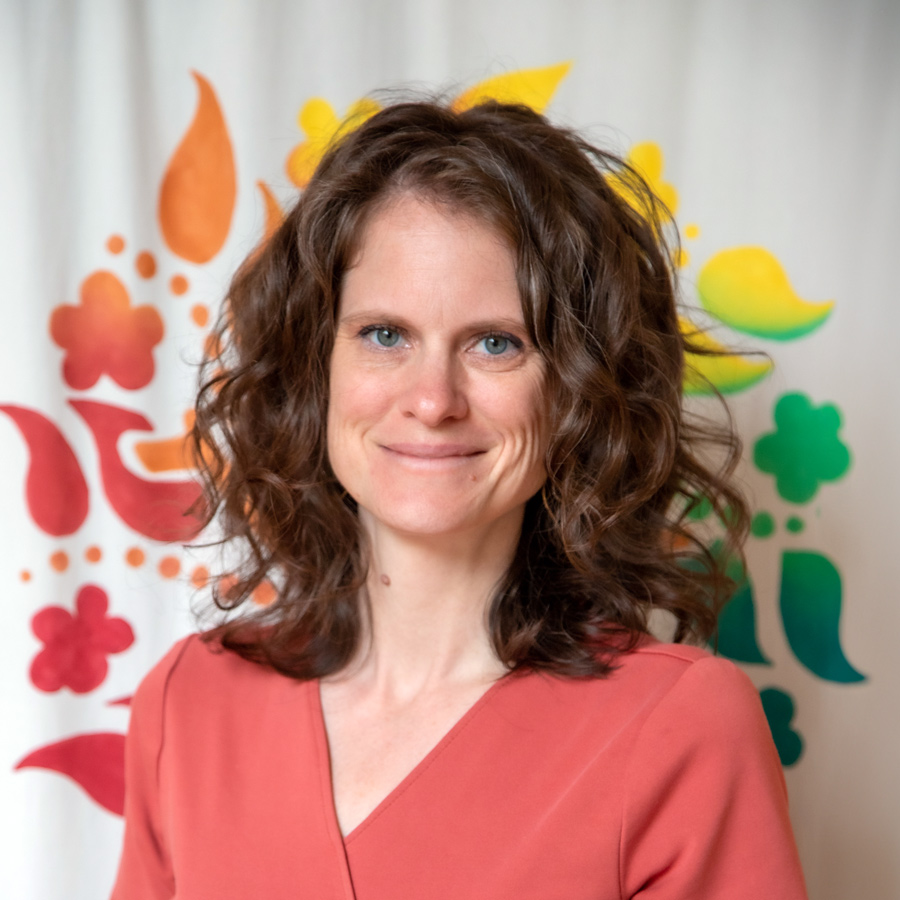
Dr. Alaina Gelineau has 12 years of experience in chiropractic care. She is a specialized chiropractor, certified in Chiropractic BioPhysics, focusing on posture correction and scoliosis care in Asheville, North Carolina.