Can Scoliosis in Adolescents Be Reversed?
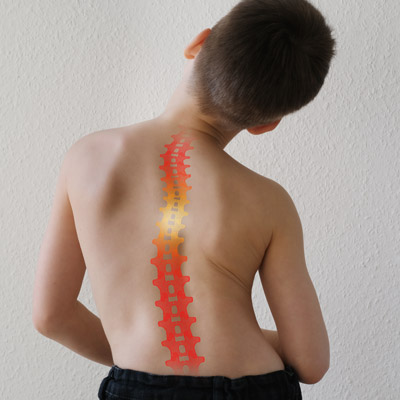
When your child is diagnosed with scoliosis, one of the first questions that comes to mind is simple but urgent: can scoliosis in adolescents be reversed? The short version? Yes – improvement is absolutely possible for many adolescents with scoliosis.
Your child’s spine is still growing, which means it’s still adaptable. With the right intervention at the right time, many adolescents can see meaningful curve reduction and avoid progression. Let’s walk through what’s realistic, what factors matter most, and how modern approaches like ScoliBrace® are changing outcomes.
Understanding Adolescent Scoliosis
What Is Adolescent Idiopathic Scoliosis (AIS)?
Adolescent idiopathic scoliosis is a sideways curvature of the spine that develops during the growth years – typically between ages 10 and 18. “Idiopathic” simply means we don’t know the exact cause in most cases.
Why adolescence is a critical window:
- Growth spurts can accelerate curve progression
- The spine is still developing and responsive to intervention
- Early detection combined with proactive treatment offers the best outcomes
Why Scoliosis Is Considered Progressive
Without intervention, scoliosis tends to worsen over time – especially during active growth periods. This is why “watch and wait” is often frustrating for parents who want to do something while their child is still growing.
What happens without intervention:
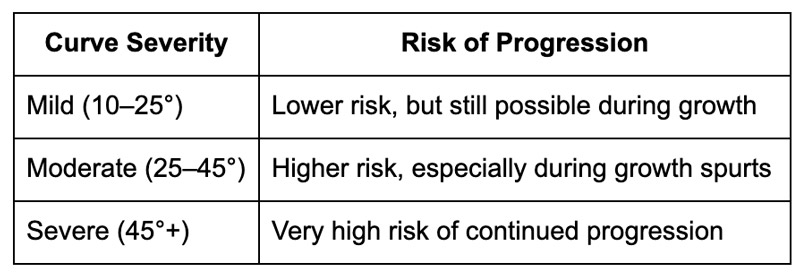
The key point: scoliosis doesn’t typically improve on its own. Intervention matters.
What Does “Reversing” Scoliosis Actually Mean?
Reversal vs. Reduction vs. Stabilization
Let’s clear up some confusion right away. When parents ask can scoliosis in adolescents be reversed, they often imagine the spine returning to completely straight – a perfect, permanent cure.
Here’s what outcomes actually look like:
- Reversal: Curve returning to normal (<10°) – rare but possible in some mild cases
- Reduction: Measurable decrease in curve magnitude – achievable in many adolescents
- Stabilization: Stopping progression and preventing worsening – always a successful outcome
All three are valuable. Stabilizing a 30° curve during adolescence and preventing it from becoming 50° or 60° is a major win.
Can Scoliosis Improve During Adolescence?
Yes and adolescence is actually the best time for improvement to happen.
Why growth creates opportunity:
- The spine is still flexible and responsive to corrective forces
- Bone remodeling is active during growth
- Bracing and exercises can guide spinal development in real-time
When improvement is most achievable: The earlier treatment begins and the more consistent the approach, the better the outcomes tend to be.
Factors That Determine Whether Adolescent Scoliosis Can Improve
Age and Growth Stage
Skeletal maturity is one of the most important factors. The more growth remaining, the more opportunity for correction – but also the more risk of progression without treatment.
Growth plates and adaptability: Before growth plates close (typically around ages 14–16 for girls, 16–18 for boys), the spine is most responsive to corrective interventions.
Curve Severity (Cobb Angle)
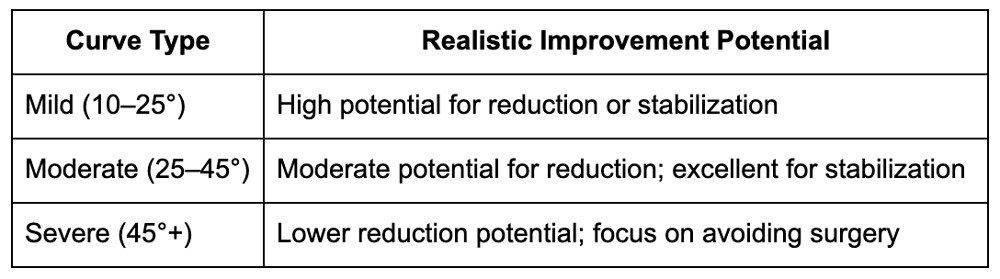
Curve Type and Location
Different curve patterns respond differently to treatment.
Curve characteristics that matter:
- Thoracic curves (upper back) tend to be more rigid
- Lumbar curves (lower back) are often more flexible
- Double curves require more complex treatment strategies
Consistency and Compliance
This might be the most overlooked factor and one of the most important.
Why compliance matters:
- Bracing wear time: Studies show outcomes directly correlate with hours worn per day
- Exercise adherence: Scoliosis-specific exercises work only when done consistently
- Follow-up appointments: Regular monitoring catches progression early
How ScoliBrace® Supports Curve Reduction in Adolescents
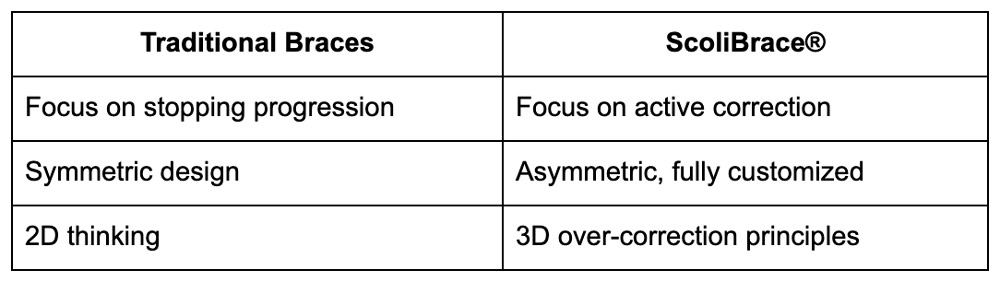
How ScoliBrace Is Different from Traditional Braces
At HAVEN Chiropractic, as your chiropractor Asheville, NC, we use ScoliBrace® – a custom 3D-corrective brace designed specifically for curve reduction, not just stabilization.
What makes it different:
When ScoliBrace Is Most Effective
Ideal candidates:
- Adolescents with growth remaining (Risser 0–3)
- Curves between 15–45° (though some outside this range benefit too)
- Patients committed to consistent wear (typically 20+ hours/day initially)
Curve types that respond best: Single thoracic or lumbar curves with some flexibility tend to show the most dramatic improvements.
Realistic Outcomes with ScoliBrace
We never promise miracles but we do see meaningful improvements regularly.
What parents can expect:
- Curve reduction: Many patients see 5–15° reduction during active treatment
- Stabilization: Even when full reduction isn’t achieved, progression is typically halted
- Postural improvements: Visible changes in shoulder height, rib hump, and overall alignment
See more: What Causes Scoliosis in Adults?
Final Answer
Here’s the complete, honest answer: improvement is possible in many adolescents – but outcomes depend on several key factors.
What determines success:
- Timing
- Curve severity
- Treatment type
- Consistency
The bottom line: Early, proactive, non-surgical care offers the best opportunity for curve reduction and long-term spinal health. Waiting rarely improves outcomes. Acting early often does.
At HAVEN Chiropractic Posture & Scoliosis, we specialize in evidence-based, corrective care for adolescent scoliosis through the ScoliBrace system and Chiropractic BioPhysics. We don’t just watch curves – we work actively to improve them. Call us now to book a comprehensive scoliosis evaluation.
Your child’s spine is still growing. Let’s make sure it grows in the right direction.
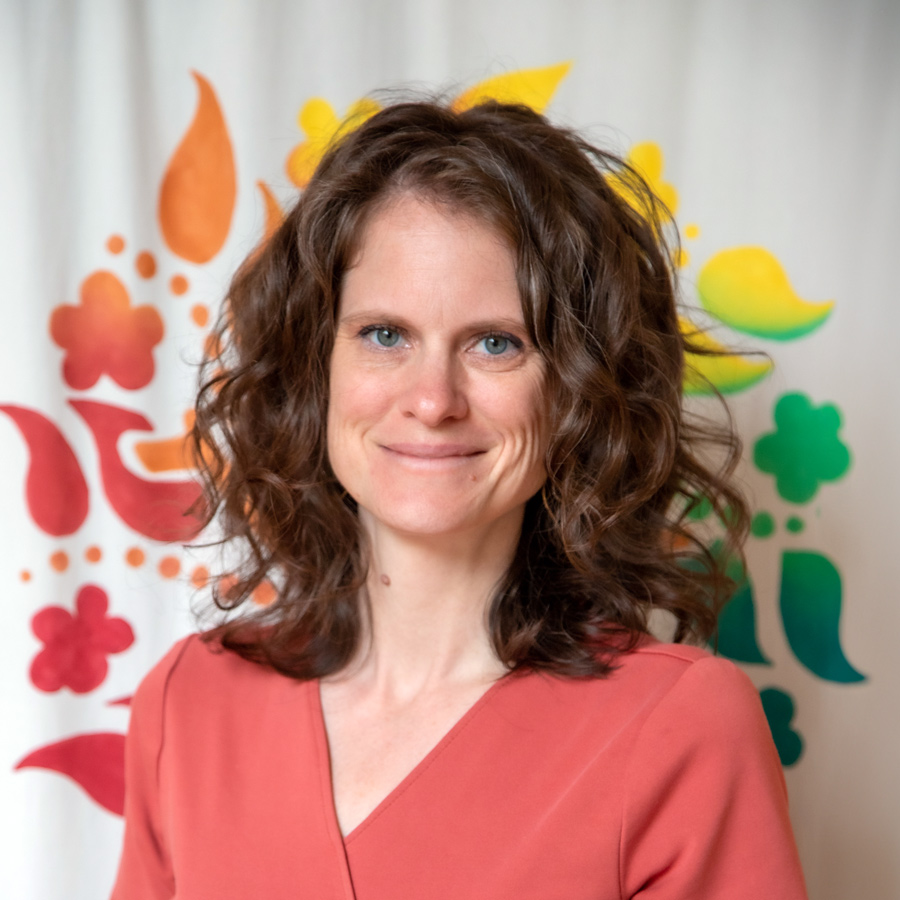
Dr. Alaina Gelineau has 12 years of experience in chiropractic care. She is a specialized chiropractor, certified in Chiropractic BioPhysics, focusing on posture correction and scoliosis care in Asheville, North Carolina.